


 Save
Save Print
Print
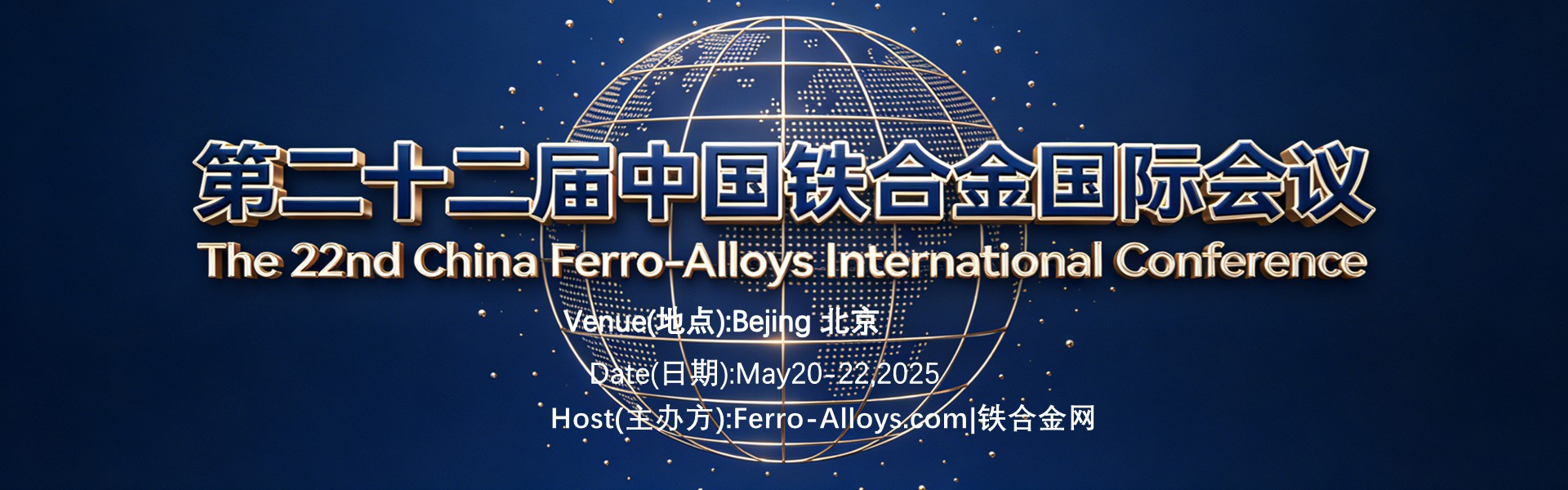
The 22nd China Ferro-alloys International Conference, host ed by Ferro-Alloys.com, will be held on 20 May to 22 May, 2026 in Beijing city, China. We sincerely invite you jointly explore the development ferroalloys trend in 2026. Why Attend?
[Ferro-Alloys.com] South32’s $2.1B Hermosa Project Nears Final Federal Approval in Arizona Breakthrough
The U.S. Forest Service has cleared a primary regulatory hurdle for South32’s $2.16 billion Hermosa project, releasing a Final Environmental Impact Statement and a Draft Record of Decision that signals an intent to approve the mine’s expansion onto federal land.
The decision, announced Sunday, represents a milestone for the first mining project to be fast-tracked under the federal FAST-41 permitting process. It positions the Arizona-based site as a central pillar in the domestic supply chain for critical minerals, specifically zinc and manganese, which are currently dominated by foreign markets.
For South32, the Draft Record of Decision (ROD) is more than a permit; it is a green light for infrastructure. The Forest Service’s “preferred alternative” allows the company to construct a primary access road, a 138-kilovolt transmission line, and a secondary dry-stack tailings facility on the Coronado National Forest.
The strategic calculus here isn’t subtle: the U.S. is racing to de-risk its mineral dependencies. Hermosa is the only advanced mining project in the United States capable of producing two minerals on the federal critical list: manganese and zinc: at a single site.
The FAST-41 Factor: Accelerating the Permitting Pipeline
Permitting a mine in the United States is traditionally a decade-long exercise in administrative endurance. Hermosa changed the script. By securing status under the Fixing America’s Surface Transportation Act (FAST-41), South32 gained a coordinated federal oversight structure that cut through the typical inter-agency friction.
That’s not a rounding error in timing. It is an aggressive compression of the regulatory calendar.
The Forest Service’s release of the Final Environmental Impact Statement (FEIS) follows years of technical review and public consultation. The draft decision indicates that the government’s selected development path minimizes environmental disruption while meeting the project’s extraction goals. For an industry often bogged down by “death by a thousand cuts” litigation, the FAST-41 designation has provided a rare level of procedural certainty.
However, the clock is still ticking. The release of the Draft ROD initiates a 45-day objection period, followed by a potential 45-day resolution window. South32 management expects a Final Record of Decision by July 2026. If the timeline holds, all necessary federal permits will be in hand by early September 2026.
Production is currently slated to begin in 2027.
Critical Minerals: Breaking the Foreign Stranglehold
The Hermosa project isn’t just a silver mine with a high price tag. It is a geopolitical asset. The site targets five minerals: zinc, lead, silver, and the increasingly vital manganese.
The U.S. currently has zero domestic manganese production. None. That is a glaring vulnerability for both the steel industry and the growing electric vehicle battery sector. While other regions are making significant manganese discoveries, the U.S. has remained largely sidelined. Hermosa looks to change that.
Zinc is the other heavyweight in this equation. Essential for galvanizing steel used in infrastructure and renewable energy hardware, zinc demand is projected to skyrocket as the “green transition” moves from rhetoric to construction.
The strategic importance of these minerals is why the Department of Defense and other federal entities are watching Hermosa so closely. In an era where Ukraine and the U.S. are partnering on critical minerals and Canada is warning about the lack of processing infrastructure, having a high-grade domestic source is a national security imperative.
Infrastructure and Environmental Trade-offs
The Hermosa project sits in the Patagonia Mountains of Southern Arizona, an area with a deep mining history but also high biodiversity. The tension between extraction and conservation is palpable.
South32’s development plan tries to thread a needle that is almost impossible to thread. The company claims the mine will use approximately 90 percent less water than other regional mining operations. In the arid Southwest, water isn’t just a resource; it’s a flashpoint.
The project is designed as an underground operation, which reduces the surface footprint compared to massive open-pit mines. The dry-stack tailings facility: authorized in this latest federal decision: is a key part of the water-conservation strategy, as it eliminates the need for massive liquid tailings ponds that are prone to seepage and evaporation.
But you can’t disrupt geology without making an impact. The expansion onto National Forest land involves 138 kV transmission lines and access roads that will permanently alter parts of the Coronado National Forest. Local environmental groups have raised concerns about the impact on endangered species and the long-term integrity of the local watershed.
The Forest Service’s FEIS argues that the “preferred alternative” is the most balanced route. It acknowledges the impacts but positions them as manageable under the proposed mitigation strategies.
The Economics: 900 Jobs and a $2.16 Billion Bet
South32 has already sunk significant capital into the ground. Construction on the private land portion of the site is roughly 50 percent complete. This isn’t a speculative junior mining play; it’s a massive industrial deployment.
At peak operations, the mine is expected to support 900 jobs. For the local economies of Santa Cruz County, those numbers are transformative. The project represents one of the largest private investments in Arizona’s history.
But the “mine of the future” isn’t just about headcounts. It’s about technology. South32 is leaning heavily into automation and electrification to keep the carbon footprint low: a necessity for modern ESG-conscious investors. This approach mirrors trends seen in other Tier-1 jurisdictions, where Anglo American is pushing “Mine of the Future” technologies to maintain social license and operational efficiency.
Geopolitical Realities and the 2026 Inflection Point
The timing of the Hermosa approval process coincides with a global re-evaluation of trade. As the U.S. and China exchange fresh tariffs and the Trump administration reinforces steel and aluminum levies, the push for domestic mineral independence has moved from a “nice to have” to a “must have.”
The strategic calculus here isn’t subtle: if you don’t control the source, you don’t control the future.
South32’s Hermosa project is the ultimate test case for whether the U.S. can actually build what it says it needs. The FAST-41 process was designed to stop projects from being “studied to death.” The Forest Service’s draft decision suggests the process is working as intended, but the true test will be the 45-day objection window.
Collage featuring mining professionals and mineral samples, highlighting the role of defense funding in critical minerals.
What Happens Next
The mining industry is watching Hermosa as a bellwether for federal permitting reform. If South32 can successfully navigate the final hurdles by late 2026 and hit production in 2027, it will serve as a blueprint for other critical mineral projects across the Western U.S.
The 45-day objection period is likely to be active. Expect challenges from conservation groups who view the FAST-41 acceleration as a shortcut that bypasses thorough environmental scrutiny.
However, the momentum is currently with the project. The dual-pressure of national security requirements and the need for zinc and manganese in the energy transition has created a rare moment of political and regulatory alignment.
July 2026 marks the inflection point. That is when the Final Record of Decision is expected. Until then, South32 continues its construction on private land, betting $2.16 billion that the federal government will stay the course.
The strategic stakes are high. The environmental scrutiny is intense. But for the U.S. mining industry, the Hermosa breakthrough is the most significant regulatory movement in years.
There’s not enough to go around, and the U.S. just took a major step toward securing its own piece of the pie.
- [Editor:tianyawei]
 Daily News
 Research
 Magazine
 Company Database
 Customized Database
 Conferences
 Advertisement
 Trade
Trade
.jpg)

 Online inquiry
 Contact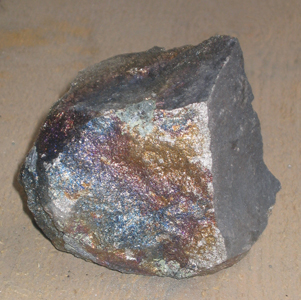


Tell Us What You Think