


 Save
Save Print
Print

The 22nd China Ferro-alloys International Conference, host ed by Ferro-Alloys.com, will be held on 20 May to 22 May, 2026 in Beijing city, China. We sincerely invite you jointly explore the development ferroalloys trend in 2026. Why Attend?
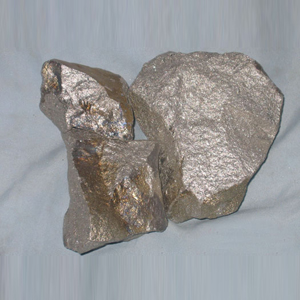
[Ferro-Alloys.com] MOLYBDENUM Mineral Commodity Summaries, February 2026
Events, Trends, and Issues: In 2025, the estimated average U.S. molybdic oxide price decreased by 7% compared with that in 2024. Estimated U.S. total imports for consumption of molybdenum were 27,000 tons compared with 26,900 tons in 2024. Estimated U.S. total exports increased by 1% compared with those in 2024. Estimated apparent consumption in 2025 increased by 18% compared with that in 2024. Estimated global molybdenum production in 2025 increased by 2% from that in 2024, with China, Chile, the United States, Peru, and Mexico, in descending order of production, accounting for 90% of total global production. Only China and the United States produced molybdenum from both primary molybdenum mines and byproduct copper mines; the other countries relied on byproduct copper production. Rising molybdenum consumption has led many copper producers to upgrade facilities to extract molybdenite from existing deposits, helping offset supply risks from aging mines and declining ore grades. Global molybdenum consumption was expected to remain strong as countries continued to invest in renewable energy infrastructure. A Canadian company remained on schedule to restart its idled molybdenum mine in Idaho during the second half of 2027 and continued its progressive rampup to full capacity production at its molybdenum-processing facility in Pennsylvania. The Government of China imposed export controls on molybdenum powders in February 2025, prompting the United States and other countries to seek alternative sources.
World Mine Production and Reserves: Significant revisions were made to the 2024 production for Australia and Canada based on company and Government reports. Reserves data for Australia, Chile, China, North Korea, and Peru were revised based on company and Government reports.
|
|
Mine production |
Reserves |
|
|
|
2024 |
2025 |
(thousand metric tons) |
|
United States |
34,000 |
403,000 |
3,500 |
|
Armenia |
e 7,600 |
5,300 |
150 |
|
Australia |
660 |
1,000 |
760 |
|
Canada |
1,540 |
2,200 |
64 |
|
Chile |
38,500 |
42,000 |
2,600 |
|
China |
e 100,000 |
97,000 |
7,800 |
|
Iran |
e 2,900 |
3,300 |
43 |
|
Kazakhstan |
4,080 |
4,300 |
7 |
|
Korea, North |
800 |
800 |
78 |
|
Korea, Republic of |
340 |
500 |
8 |
|
Mexico |
16,200 |
17,000 |
130 |
|
Mongolia |
3,110 |
4,200 |
10 |
|
Peru |
41,900 |
39,000 |
1,000 |
|
Russia |
e 1,500 |
1,300 |
1,100 |
|
Uzbekistan |
e 2,100 |
2,000 |
21 |
|
Other countries |
— |
— |
150 |
|
World total (rounded) |
256,000 |
260,000 |
17,000 |
World Resources: Identified resources of molybdenum in the United States are about 5.4 million tons and, in the rest of the world, about 20 million tons. Molybdenum occurs as the principal metal sulfide in large low-grade porphyry molybdenum deposits and as an associated metal sulfide in low-grade porphyry copper deposits. Resources of molybdenum are adequate to supply world needs for the foreseeable future.
Substitutes: There is little substitution for molybdenum in its major application in steels and cast irons. In fact, because of the availability and versatility of molybdenum, industry has sought to develop new materials that benefit from its alloying properties. Potential substitutes include boron, chromium, niobium (columbium), and vanadium in alloy steels; tungsten in tool steels; graphite, tantalum, and tungsten for refractory materials in high-temperature electric furnaces; and cadmium-red, chrome-orange, and organic-orange pigments for molybdenum orange.
- [Editor:tianyawei]
 Daily News
 Research
 Magazine
 Company Database
 Customized Database
 Conferences
 Advertisement
 Trade
Trade


.jpg)

 Online inquiry
 Contact

Tell Us What You Think